
Measure What Matters
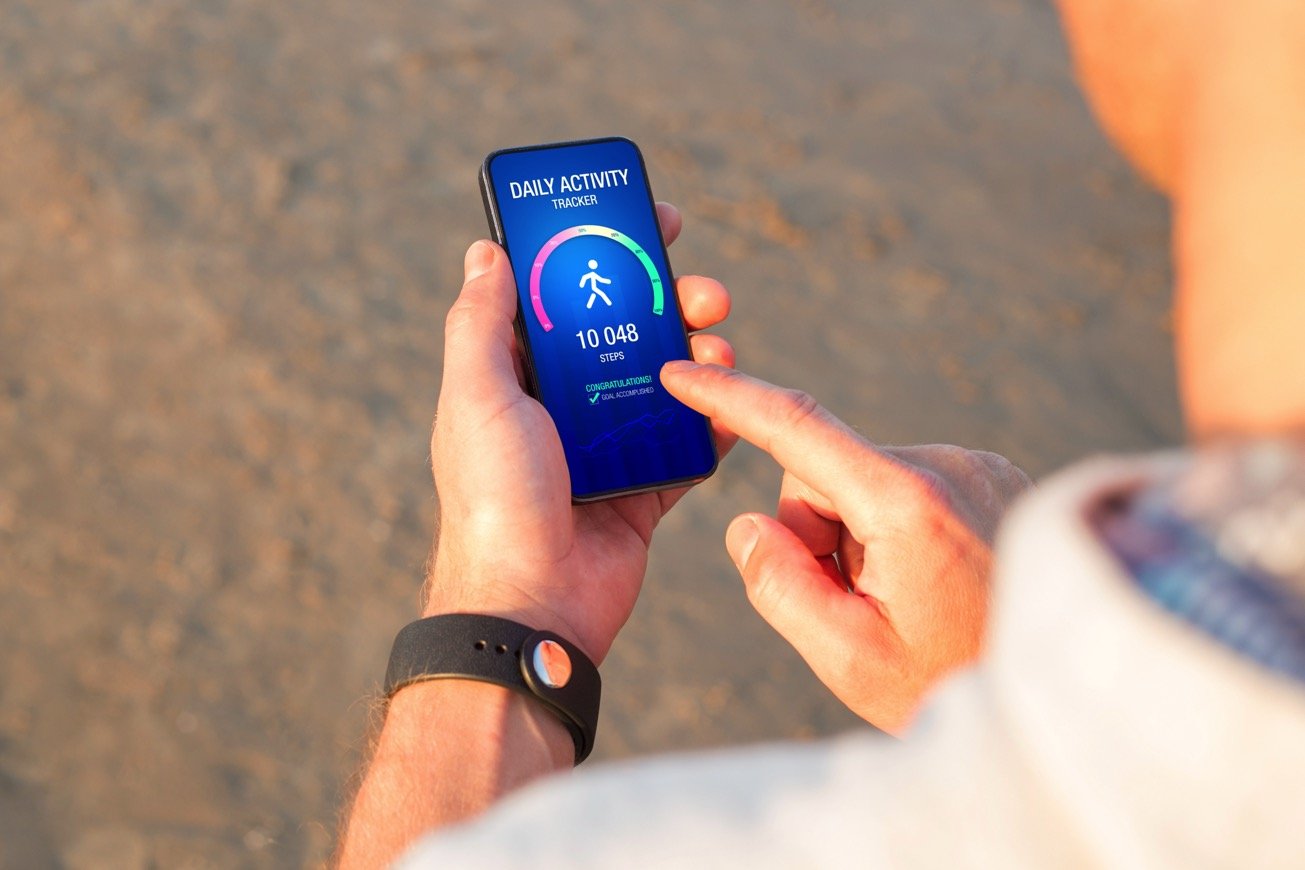
I did it! I reached my 10k steps today. My watch congratulated me; I am so healthy! I will do it again tomorrow, and maybe even sign up for an ultra-marathon!
Some people may realize that taking 10k steps a day is not an accurate indicator of how much exercise you get each day or your fitness level, but many don’t realize this. So why is there so much buzz around and technology dedicated to this metric? Here’s a hint: It’s easy to measure.
Often, when I ask how an organization measures success, I am shown a report indicating how many people are working 40 hours per week, how many hours have been spent on the project or product, and how many things were produced. Sometimes, I am shown the Net Promoter Score (NPS), a metric that indicates how likely a customer would recommend products or services to others. It’s usually off the charts, so it must be good. Right? Then, we circle back to the fact that we deliver our items on time and within budget. Because of all these metrics, we are fantastic!
It seems like everything is going well. What’s the concern? The answer is usually like, “We seem to be doing everything well, but we are losing customers to our competition, and we can’t figure out why.” Or, “We have been doing this new process for years, but we don’t see the value we were promised.”
That’s when we need to have “the talk” about measuring the right things.
Is it possible to walk 10k a day but still have high blood pressure, high cholesterol, and trouble climbing stairs? Sure, because 10k steps a day is not really an indicator of health or fitness. It’s just an easy number to measure, limited to a specific activity that may make it seem like everything is going well. Measurements like how many things we deliver on time, how mature and well run our processes are, or even how high our NPS score might be are not indicators of how much or well we deliver value to our customers.
Our typical measurements may not be indicators of how much or how well we deliver value to our customers.
We work in fast-moving, complex systems, and no shortage of information, data, or advice is available to us at any time. However, this overload of data, paired with a way of measuring things based on how much we produce, makes it easy to take the information that is easiest to get – even when it does not give us the answers we need.
I am not saying you don’t take 10k steps a day. It is undoubtedly better than no activity at all. I am also not saying that you shouldn’t measure other things. Those metrics tell a story, but perhaps not the one we need to know for this problem.
There is a better way, and we can start small with three steps:
First, we need to know what we are trying to achieve by offering our product, feature, or service. What is the impact we are trying to influence? Increased revenue? Lower cost of delivery? More users? New markets? If you don’t know what you’re trying to achieve, you can’t know what to measure.
Second, we need to know if we already produce or can reasonably capture the metrics we need. We often have access to so much information that it becomes confusing to see what we are trying to achieve. We sometimes confuse the amount of data with quality data.
Often, we have access to so much information that it becomes confusing to see what we are trying to achieve.
And third, we need the ability to validate and iterate quickly. Our framework builds around these core concepts to pivot from production-based numbers to impact-based metrics. We focus on the three most essential elements: building the right thing, getting it to the customer, and changing when change happens.
When we focus on our business outcomes and the correct data is available, we typically see positive results. They include increased customer satisfaction, speed of impact for the market, along with decreased unnecessary work and delivery costs. Way to go, data!
This is more challenging than what we have been doing. That said, taking 10k steps daily is the beginning of a fitness journey, just as measuring what matters is the beginning of a better connection with real business impact.