
The Peach Tree: A Leadership Story
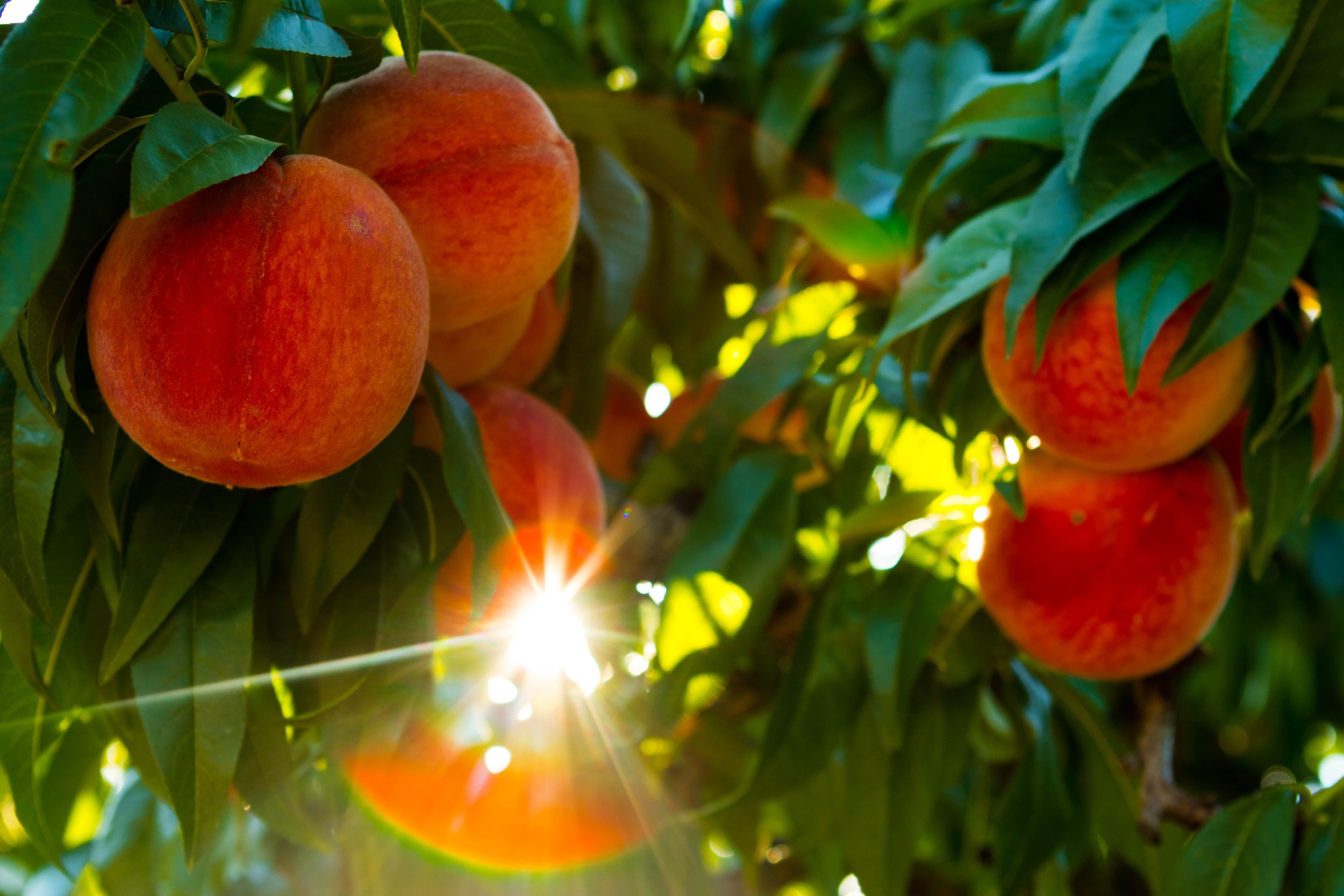
Having moved from New York City, New York, to Atlanta, Georgia, I have had the opportunity to do something I had wanted to do for a long while – plant a fruit tree. Being in Georgia, the idea of growing peaches made sense to me – it’s called the Peach State; plant it, I thought, and it will grow. So, I did.
Four years later, I had a few peaches. Apparently, when you plant a small tree, it takes some time to acclimate and mature enough to produce fruit. I was patient, though; each year, I tended to my tree until, one day, we had a result!
Two things happened that winter that would affect my future bounty – a cold winter and a shear–happy gardener. The freeze damaged some of the branches, but it was no big deal; we had all winter and then spring to recover. The gardener was another thing; with all the best intentions, my poor tree was pruned to practically a stump. Sure, the damaged parts were gone, but all the fruit-baring parts were gone too. As you can imagine, it was almost another four years before I had peaches from my tree again.
As I was recounting this very story to a colleague, it occurred to me that this pattern is very similar to what we face when there is a downturn in our business or economy – and how we respond – prune our organization, if you will, and it can hugely impact how long and how well we recover.
This pattern is very similar to what we face when there is a downturn in our business or economy – and how we respond – prune our organization, if you will, and it can hugely impact how long and how well we recover.
The key to successfully pruning the tree is to remove the parts that are damaged or no longer able to produce fruit, do that in the spring when conditions improve; it can still produce peaches – maybe fewer than before, but we don’t need to wait another four years.
For my gardener, it was much easier to cut the entire tree back – it takes less time. It takes less thought, and eventually, the tree will produce again – it’s not like I can’t get other peaches in Georgia. But that’s not the point for me – I spent a lot of time and effort nurturing my tree into a fruit producer – just a little more thought and care would have created a completely different result.
Just a little more thought and care would have created a completely different result.
Our business is not a tree, but it is something we, our investors, and colleagues have spent our time building, growing, and nurturing. How can we make better choices when conditions occur that force the need to do some pruning while reducing the risk of not providing our customers with the products and services that they have come to expect from us?
It all comes down to taking the time and care to better understand what parts of our organization and what capabilities we need most to continue to survive, perhaps even thrive, by taking this turn of events as an opportunity to come out stronger than before.
Often, we react to the conditions we face by reducing our budgets and workforce – based on numbers and targets. Often, what we do results in two things: we make our target numbers for the immediate future and then spend years replacing what we have lost by just considering one factor.
What we need to do is organize a deliberate assessment of our strategic goals and our capabilities to achieve them, and then carefully plan and prune the areas of our org that are no longer needed in their current form to produce the impact we need, while maturing the areas that are better aligned to the immediate and future impact we want to achieve. We need to understand our gaps and challenges and define a plan to see us through until conditions improve, leaving us stronger than we were before and in a better position than our competitors to drive our markets.
What we need to do is organize a deliberate assessment of our strategic goals and our capabilities.
Ultimately, we want to build a resilient and adaptable organization that can withstand the storms that come at us with minimal impact on our business and market. Yes, it takes a bit more effort at first, but it makes us stronger in the longer term.